
Our first Workforce Wellbeing Exchange event as part of Humber Business Week 2026 was a huge success. Held in partnership with Humber Teaching NHS Foundation Trust the event brought together representatives from multiple local businesses and organisations looking to learn more about building happier and healthier workforces.
Staff from the Trust’s Neurodiversity service opened the session by exploring how creating a more inclusive workplace benefits not only neurodiverse colleagues but all staff. Clarissa Thompson, Clinical Team Lead, shared that “when you create a workplace that works well for your neurodiverse staff, you tend to make it an environment that’s better for everyone.”
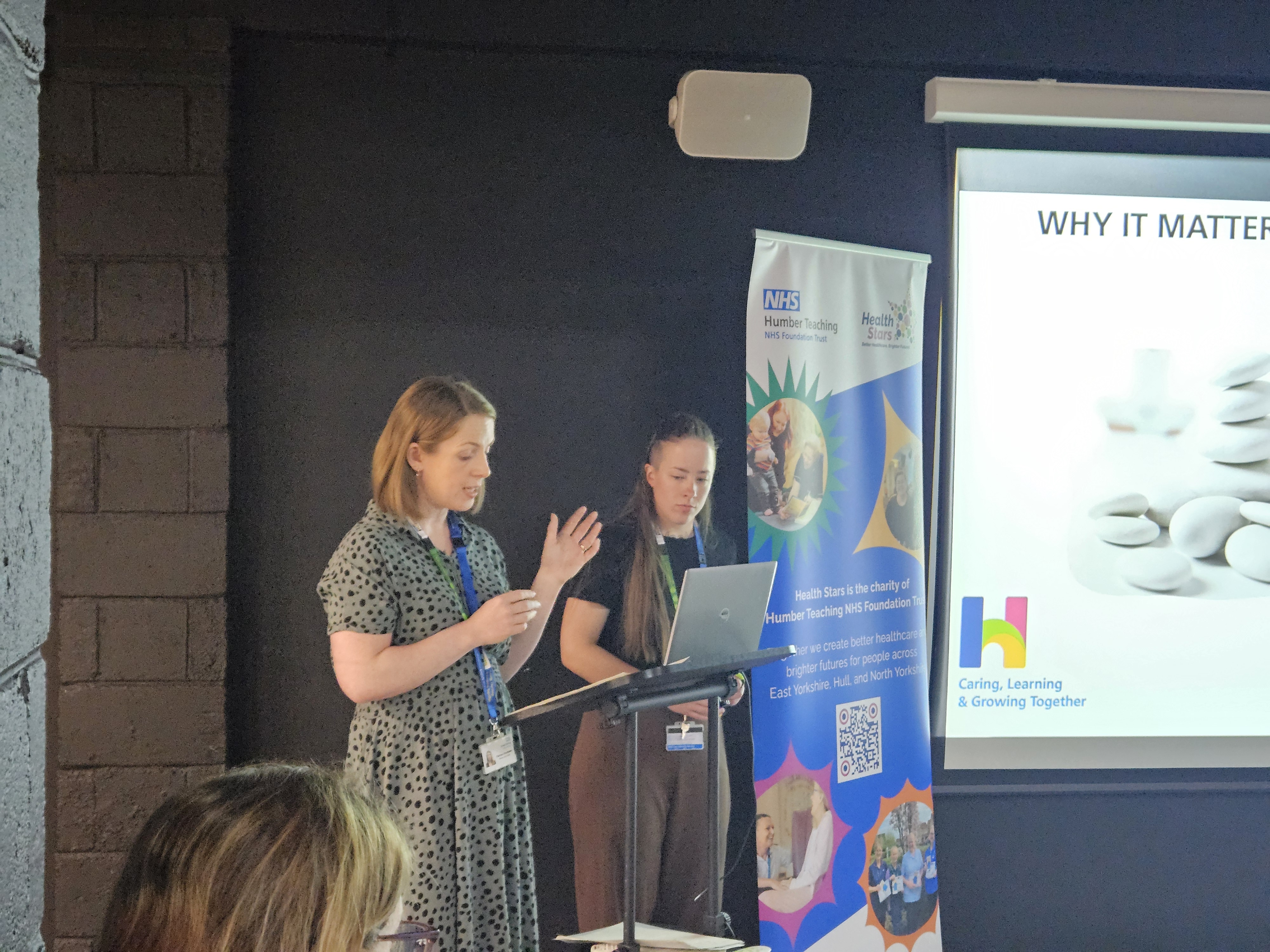
She introduced a Neurodiversity Toolkit, developed with input from neurodiverse staff, to support meaningful conversations and practical workplace improvements. Eloise Quayle shared her personal experience of working with neurodiversity at the Trust, alongside a powerful piece written by colleague Megan Salter, offering valuable insight into real-life experiences in the workplace. With 1 in 7 people considered neurodiverse, these perspectives highlighted the importance of inclusive practices.
Kati Chambers, Assistant Psychologist, focused on burnout, noting that 9 in 10 people experience symptoms. She explored key causes such as workload, workplace culture and lack of control. An exercise on daydreaming illustrated how difficult it can be for staff to switch off, with many reflecting on work pressures even during brief pauses.
The final presentation from Justin Marjoram, People Experience Manager, focused on improving workplace culture through initiatives such as the Multigenerational Project. By gathering insights across age groups, the Trust is developing a deeper understanding of staff needs. Discussions highlighted how generational differences can shape attitudes towards wellbeing and burnout.
Feedback from attendees was overwhelmingly positive, with many highlighting the practical, tailored insights shared. The event reinforced the importance of listening to staff and taking meaningful action to improve workplace wellbeing.